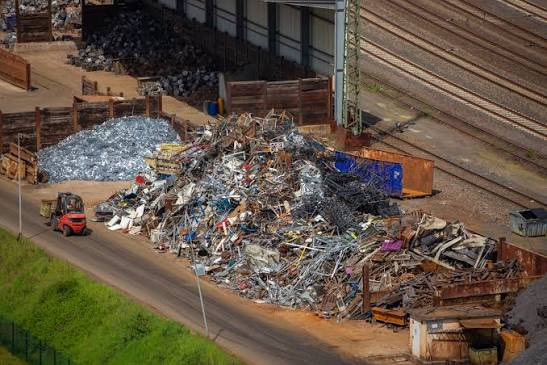
The Environmental Benefits of Car Recycling in NZ
Companies today process end-of-life vehicles that would otherwise sit rusting on a property or, worse, leaking fluid into the ground unnoticed over months or years.
Understanding car recycling environmental benefits in NZ helps explain why proper dismantling matters more than simply hauling an old car to a scrapyard.
Done correctly, recycling a vehicle recovers valuable material and keeps genuinely hazardous substances out of soil and waterways across the surrounding area.
Reducing Automotive Waste and Landfill Burden in New Zealand
A single vehicle contains a mix of metals, plastics, and fluids that would otherwise end up as landfill waste if simply abandoned or dumped.
Rubber, glass, and plastic trim also make up a meaningful share of a vehicle’s total material, and increasingly these are separated for recycling rather than sent straight to landfill.
Properly dismantling that same vehicle diverts most of its material back into productive use, rather than letting it sit as unrecovered waste indefinitely on a property or in a landfill.
Salvaging Ferrous and Non-Ferrous Scrap Metals for Industrial Reuse
Steel and aluminium from a dismantled vehicle are separated and sent for reprocessing, feeding back into new manufacturing rather than sitting unused in a scrapyard.
Non-ferrous metals like copper wiring and aluminium components are typically worth more per kilogram than steel, making careful separation worthwhile even at scale across a large processing facility.
Extending the Lifecycle of Functional Used Auto Parts
Working alternators, mirrors, and body panels are often resold rather than scrapped, extending their useful life and reducing demand for newly manufactured replacements across the supply chain.
This resale market also gives vehicle owners repairing older cars access to parts that would otherwise be difficult or expensive to source new, particularly for discontinued models no longer manufactured.
Hazardous Material Containment and Safe Fluid Management
Salvage car fluid disposal in NZ involves draining oil, fuel, coolant, and brake fluid before a vehicle is crushed or shredded. Each fluid type requires separate storage and disposal, since mixing them creates additional handling complications.
Batteries, mercury switches, and air conditioning refrigerant also need separate, careful handling, since each poses a different environmental risk if released untreated into the environment.
Skipping this step, even accidentally, can let toxic substances leach directly into soil or nearby drains during the crushing process, affecting groundwater quality well beyond the site itself.
Lowering Energy Requirements and Carbon Emissions Through Metal Recycling
Producing new steel from raw ore requires significantly more energy than reprocessing scrap steel already in circulation.
Recycled steel uses less energy than steel made from virgin ore, resulting in lower carbon emissions across the industry.
This energy saving scales up considerably when applied across the volume of vehicles processed each year, rather than looking at a single car in isolation, resulting in a meaningful national impact.
Key Environmental Milestones Achieved Through Scrap Processing
Modern vehicle recycling routinely recovers a large majority of a car’s total weight for reuse or material recycling, a figure that has steadily improved over recent decades.
Auto wreckers’ environmental standards now typically require documented fluid removal, hazardous material handling, and responsible disposal records for every vehicle processed.
Green vehicle scrapping practices have shifted the industry from simple crushing towards a structured depollution and recovery process.
This shift reflects both regulatory pressure and growing demand from vehicle owners who want assurance that their cars are handled responsibly rather than simply crushed and forgotten.
Many car-wrecking brands follow this structured process for every vehicle they collect, rather than treating dismantling as a single, undocumented step at the end of a car’s life.
For vehicle owners,car wreckers in Auckland handle collection, decontamination, and recycling as part of a single coordinated process, without needing to arrange separate services.
Frequently Asked Questions
A few questions people often ask about the environmental side of car recycling.
Draining and safely disposing of oil, coolant, and other fluids before a vehicle is crushed prevents these substances from leaching into soil or nearby waterways over time.
Depending on the vehicle, roughly 75 to 80%of its total weight can typically be reused, recycled, or recovered through proper dismantling and processing.
Refrigerant gases are captured using dedicated recovery equipment rather than vented into the atmosphere, since many older refrigerants are potent greenhouse gases that significantly damage the ozone layer.
Recycled steel requires far less energy to process than steel made from raw ore, resulting in lower overall carbon emissions per tonne produced across the supply chain.
Compliant wreckers follow documented fluid removal and hazardous material handling procedures, keeping records that show each vehicle was processed responsibly throughout the entire process.
Reputable auto recycling operators in Auckland are usually happy to explain this process if asked, including where fluids and hazardous materials end up after collection.