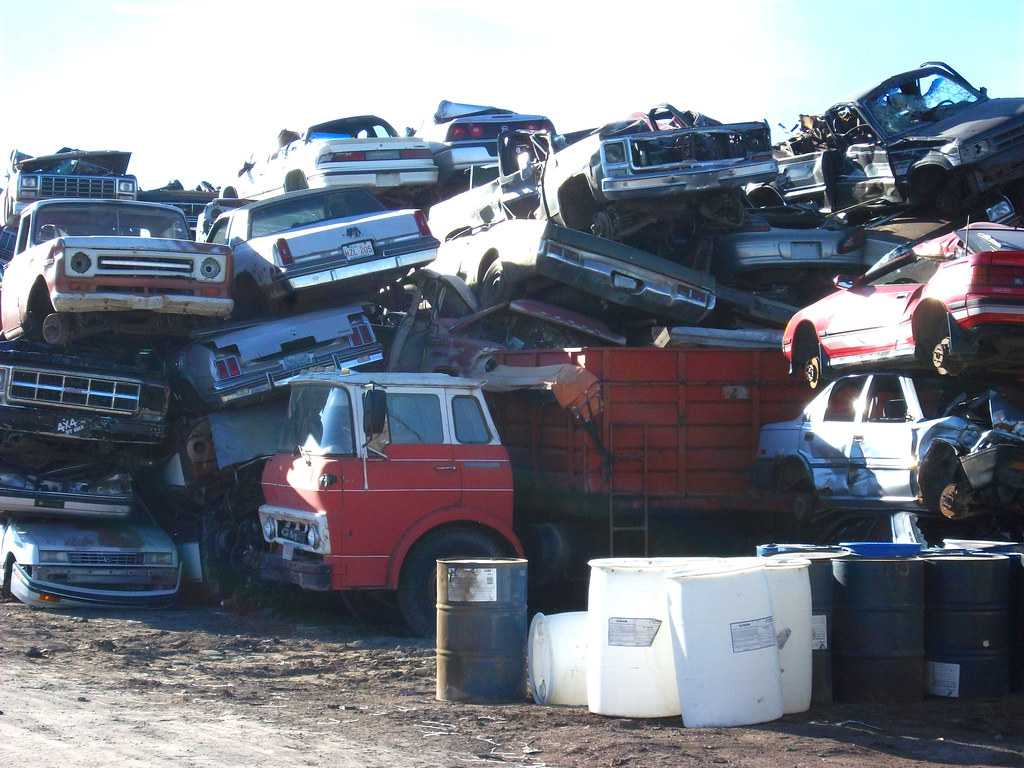
Environmental Benefits of Car Recycling vs Landfill
New Zealand has tens of thousands of end-of-life vehicles scattered across driveways, paddocks, and backyard corners. Some get abandoned. Others get stripped and left to rust. A fair few end up in landfill, which is exactly where they shouldn’t be. Old cars don’t just occupy space; they slowly release hazardous fluids into surrounding soil, squander recoverable materials, and create an environmental problem that outlasts the vehicle itself.
Car recycling changes that equation. Through scrap car removal in Auckland, vehicles that would otherwise become a source of pollution are depolluted, dismantled, and converted into useful materials. It’s a well-regulated process, and when done properly, it’s one of the more genuinely positive things you can do with a vehicle that’s reached the end of its life.
This guide covers how the process works, which parts and materials can be recovered, what determines the value of your scrap vehicle, and what to look for in a recycling service.
What Is Car Recycling?
Car recycling is the structured dismantling of an end-of-life vehicle to extract and recover its reusable parts and raw materials. Instead of burying a whole car in a landfill, the process recovers steel, aluminium, copper, glass, rubber, and fluids, all of which can be cleaned, refined, and returned to circulation.
In New Zealand, car recycling is carried out by licensed vehicle dismantlers and scrap metal recovery operators, governed by the Waste Minimisation Act and regional council regulations. This ensures hazardous substances are handled and disposed of in accordance with strict environmental standards.
How the Car Recycling Process Works
Getting a vehicle from your driveway to a recycling facility involves a defined sequence of steps, each designed to recover as much material as possible while minimising environmental harm.
Vehicle assessment
On arrival at the facility, the vehicle is inspected for condition, age, make, and model. Technicians identify functional components, flag any hazardous materials, and estimate the scrap metal yield. This assessment shapes both the offer you receive and the order in which the vehicle gets processed.
Quote and pickup
Once the assessment is complete, most car recycling services provide a quote. Reputable Auckland operators offer free collection, which matters when the car can’t be driven. Pricing is agreed upfront, and the paperwork to deregister the vehicle and transfer legal ownership is completed before or at the time of pickup.
Fluid removal
Nothing gets dismantled until every hazardous fluid has been drained. Engine oil, coolant, brake fluid, transmission fluid, power steering fluid, and air conditioning refrigerants are all removed at this stage. Left to leak, these compounds cause serious soil contamination and groundwater pollution. Their safe removal is the single most important environmental step in the entire recycling process.
Parts dismantling
After fluids are removed, trained technicians systematically strip the vehicle. Engines, gearboxes, alternators, radiators, doors, glass, seats, and electronics are all assessed. Parts that pass inspection are cleaned, tested, and either sold as secondhand components or sent to refurbishers for a second working life. This reduces demand for newly manufactured parts, which carries real environmental and cost benefits.
Metal recovery
Whatever’s left after dismantling goes through an industrial shredder. Sorting technology separates steel, aluminium, and copper from plastics and residual materials. Recovered scrap metal goes to foundries, where it’s melted down and recast into new products. Producing steel from recycled material requires substantially less energy than processing raw iron ore, resulting in lower carbon emissions.
Which Car Parts and Materials Can Be Recycled
A well-processed modern vehicle has a very high recovery rate. Here’s where the main materials end up:
| Material | Recycled Into |
| Steel | Construction materials, new vehicle parts |
| Aluminium | Cans, automotive components, appliances |
| Copper | Electrical wiring, electronics |
| Glass | New windshields, fibreglass, bottles |
| Plastic | Packaging, car parts, furniture |
| Rubber (tyres) | Asphalt, playground surfaces, insulation |
| Engine oil | Re-refined and reused as a lubricant |
| Batteries | Lead acid recovery, lithium-ion reprocessing |
Roughly 80% of a vehicle’s total weight is recyclable. The remainder, mostly mixed plastics and foam, is increasingly processed through waste-to-energy facilities rather than sent to landfill.
Why Car Recycling Matters in Auckland
Auckland produces a significant volume of automotive waste each year. Improperly discarded vehicles create real localised risks: brake fluid, coolant, and engine oil carry toxic compounds that seep into the ground and reach local waterways when cars are left to deteriorate on bare earth.
Car recycling deals with that at the source. Fluids are removed, metals are recovered, and nothing of value is buried. Using recycled steel and aluminium instead of newly smelted metal also substantially reduces energy use and associated carbon emissions. For a city with real environmental targets to meet, diverting end-of-life vehicles from landfill is a practical and worthwhile contribution.
How Scrap Car Value Is Calculated
The value of your scrap vehicle depends on a handful of variables. Knowing these in advance gives you realistic expectations before contacting a car recycling service.
- Scrap metal weight: More metal means more value. SUVs, utes, and vans yield heavier returns than small hatchbacks.
- Make and model: Vehicles with high local ownership rates tend to have parts in demand, particularly older Japanese and European models.
- Condition of reusable parts: A working engine or an undamaged interior adds meaningful value over a stripped shell.
- Current metal prices: Scrap metal is a commodity. Prices shift regularly in line with global market rates.
- Location: Most Auckland operators include free collection within the region, but distance from the facility factors into the net offer.
How to Prepare Your Car for Recycling
A bit of preparation makes the whole process smoother. Before the vehicle is collected:
- Remove personal belongings from the cabin, boot, door pockets, and under the seats.
- Locate your ownership documents (proof of ownership is required to complete deregistration).
- Cancel registration and insurance after the vehicle has been collected.
- Remove aftermarket accessories you want to keep, such as a stereo, roof rack, or towbar.
- Note the odometer reading and flag any known mechanical issues; these come up during assessment.
You won’t need to drain the fluids. That’s handled at the facility as part of the standard process.
How to Choose a Car Recycling Service
The quality of car recycling services varies. When choosing a provider in Auckland, these are the things worth checking:
- Licensing and compliance: The operator should hold a current vehicle dismantler licence and meet Resource Management Act requirements for handling hazardous materials.
- Free collection: Any credible service collects non-running vehicles at no cost to you.
- Transparent pricing: A clear, fixed quote before collection is what you should expect. Last-minute deductions on pickup day are a red flag.
- Proper documentation: You need written confirmation of deregistration and ownership transfer for your own records.
- Environmental practices: Ask where fluids go and which foundries receive the scrap metals. A legitimate operator will answer without hesitation.
Frequently Asked Questions
Car recycling is the systematic dismantling of a vehicle that's reached the end of its useful life, with the goal of recovering components and materials for reuse. Parts that still work are resold or refurbished, hazardous fluids are collected through licensed channels, and scrap metals such as steel, aluminium, and copper are recast into new products. The aim is to divert as much material as possible from landfill while reducing the environmental cost of manufacturing from raw inputs.
Yes, and it's one of the most common situations. Most car recycling services in Auckland accept vehicles in any condition; non-running, accident-damaged, unregistered, or partially dismantled. Free towing or flatbed collection is standard, so a car that won't start isn't an obstacle. Even a vehicle with significant damage still contains recoverable scrap metal, usable parts, and fluids that need proper processing.
Car fluids, including engine oil, coolant, brake fluid, and refrigerant, are drained before dismantling begins and sent to licensed treatment or re-refining facilities. Engine oil is commonly re-refined and reused as a lubricant. Car batteries follow a separate path: lead-acid units are broken down to recover lead and casing material, while lithium-ion batteries from hybrids and EVs are processed to extract lithium, cobalt, and other high-value minerals.
It depends on the vehicle. A well-running car may fetch a higher price through a private sale. But for anything that doesn't start, needs expensive repairs, or has depreciated significantly, car recycling is usually faster, simpler, and the more responsible choice. There's no advertising, no strangers coming to inspect it, no negotiating, and no uncertainty about where the car ends up once it leaves your hands.