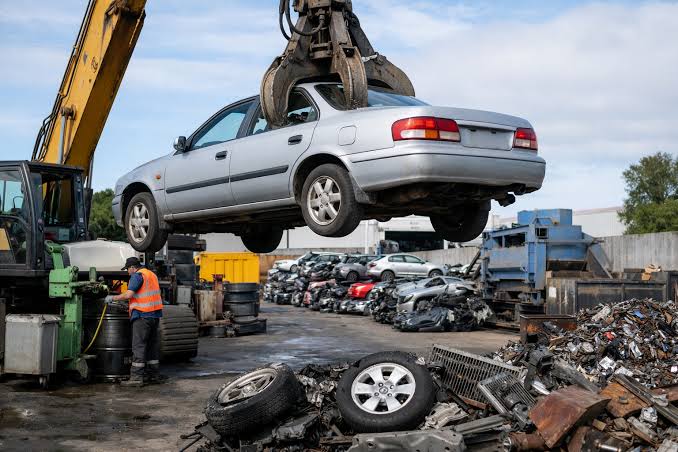
Complete Lifecycle of Your Scrapped Vehicle
Hand a car over to a scrapyard, and it might feel like that is the end of the story. In reality, it is closer to a beginning. End-of-life vehicles go through a carefully sequenced process that pulls value from almost every part before the metal reaches a furnace, and skipping any stage of that sequence creates real problems, both environmental and legal.
Car wreckers in Auckland operate within a defined vehicle recycling lifecycle comprising four core stages: depollution, dismantling, crushing, and re-entry into manufacturing. Each one feeds into the next, and the integrity of the whole process depends on every stage being done properly.
Arrival at the Auto Salvage Yard
Before any physical work is done on a scrapped vehicle, it is assessed and formally logged. Car removal services handle transport and intake, and technicians check the vehicle for damage, fluid levels, and any hazardous materials before it moves.
What gets confirmed at intake:
- Vehicle identity and ownership verification
- Condition assessment covering damage, mechanical state, and fluid levels
- Deregistration lodged with the New Zealand Transport Agency
- Assignment to the correct processing pathway
This is more than administration. A proper intake record confirms the vehicle has entered a licensed system and will be processed to standard, which matters for both the owner and the facility.
The Critical Depollution Phase
Depollution comes first and has the greatest environmental impact. Every hazardous fluid and component must be removed before dismantling begins. Auto wreckers NZ are legally required to complete this phase under environmental regulations, and the rationale is straightforward: the materials involved can cause significant damage if they reach soil or water.
What gets removed during depollution:
- Engine oil, coolant, and antifreeze
- Brake fluid and power steering fluid
- Remaining fuel in the tank
- Air conditioning refrigerant gas
- The battery and battery acid
- The catalytic converter, which holds recoverable precious metals
Fluids worth recovering go through processing for reuse. Those that cannot be reused move through certified hazardous waste disposal channels. Nothing gets drained casually.
Dismantling and Component Categorisation
After depollution, the vehicle is taken apart. This is where scrap car operations in Auckland recover the most usable value. Technicians remove reusable components systematically before the shell moves to crushing, sorting everything into three streams: resale, recycling, or disposal.
Parts typically pulled at this stage:
- Engine and transmission components are still in working order
- Suspension parts, steering columns, and brake assemblies
- Body panels, doors, and bonnets without major damage
- Glass, mirrors, and interior trim pieces
- Tyres and wheels that still have usable life
- Wiring looms and electronic modules
Even parts that cannot be resold often carry recyclable material value. Nothing gets discarded before it has been properly evaluated.
The Crushing and Shredding Matrix
Once every usable component has been removed, the bare shell is sent for crushing and shredding. Industrial equipment takes over from here, and the goal is to reduce the vehicle body to sorted raw materials as efficiently as possible.
Compacting the Metallic Chassis Structure into Steel Cubes
The vehicle body feeds into a hydraulic crusher, which compacts the shell into a dense steel cube. Cubes are far easier to transport and handle than an intact body, and they can move directly to steel mills for remelting without further processing at the yard.
How Advanced Magnetic Shifters Separate Ferrous Elements
After shredding, the material passes through powerful magnetic separators that pull steel and other ferrous metals away from non-ferrous materials such as aluminium, copper wiring, and plastics. Each stream then heads to the right facility for its material type. This separation step is what makes modern scrap metal processing precise rather than wasteful.
Re-Entering the Industrial Manufacturing Chain
Recovered metals do not stay at the yard. Steel is sent to mills and smelters, melted down,and returned as new raw material that re-enters supply chains for vehicles, appliances, and construction. The loop closes, and very little ends up in landfill when the full process is followed correctly.
Conclusion
A scrapped vehicle moves through far more than most people picture when they hand over the keys. From intake at the salvage yard through to remelted steel returning to production, every stage is deliberate and purposeful. Working with licensed car removal services and auto wreckers in NZ ensures the process is completed properly, the paperwork is handled, and nothing harmful ends up where it should not.
Frequently Asked Questions
Skipping depollution allows hazardous fluids, including engine oil, coolant, and brake fluid, to leak into soil and waterways. These materials are toxic to aquatic life and can compromise groundwater quality. Licensed facilities are legally required to complete depollution before any other processing begins.
The steel chassis and body panels are almost entirely recyclable. After crushing and shredding, the metal gets remelted at steel mills and reformed into new raw material. When the process runs correctly, very little structural metal ends up as waste.
Both can apply depending on the vehicle's condition. If usable components with resale value are present, those get factored in. For cars where nothing is reusable, payment is based on recoverable scrap metal weight. Most car removal services assess both before making an offer.
In New Zealand, vehicles must be deregistered with the NZTA when scrapped. Licensed facilities issue a destruction certificate or written confirmation that processing is complete. Hold onto that documentation to confirm you are no longer liable for the vehicle.
Fluids removed during depollution are passed to certified hazardous waste contractors. Recoverable materials, such as coolant, may be processed for reuse. Others, including refrigerant gases and brake fluid, are disposed of through approved pathways under New Zealand environmental regulations.